Increase in special crimes such as identity theft
The number of reported criminal offenses in Japan in 2024 increased 4.9% from the previous year to 737,679 (National Police Agency summary), marking the third consecutive year of increase.
Fraud crimes in the cyberspace, such as social media-based investment scams, were prominent, with losses amounting to approximately 199 billion yen, double the previous year.
The year 2024 saw a notable increase in crimes targeting property.
Damages caused by theft, fraud, etc. increased 59.6% from the previous year to 402.1 billion yen.
This surpassed the peak of 375.9 billion yen in 2002 since 1989. Of this, fraud losses were 1.9 times higher than in 2023, accounting for 76% of all property losses.
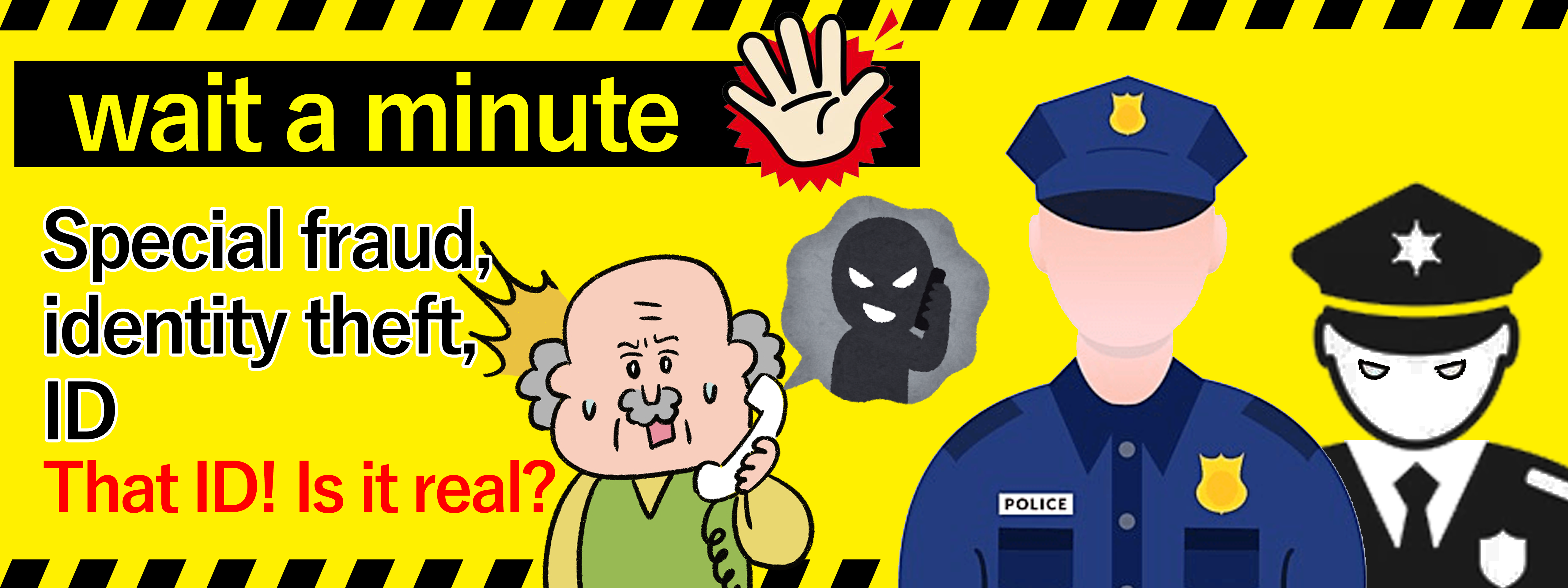
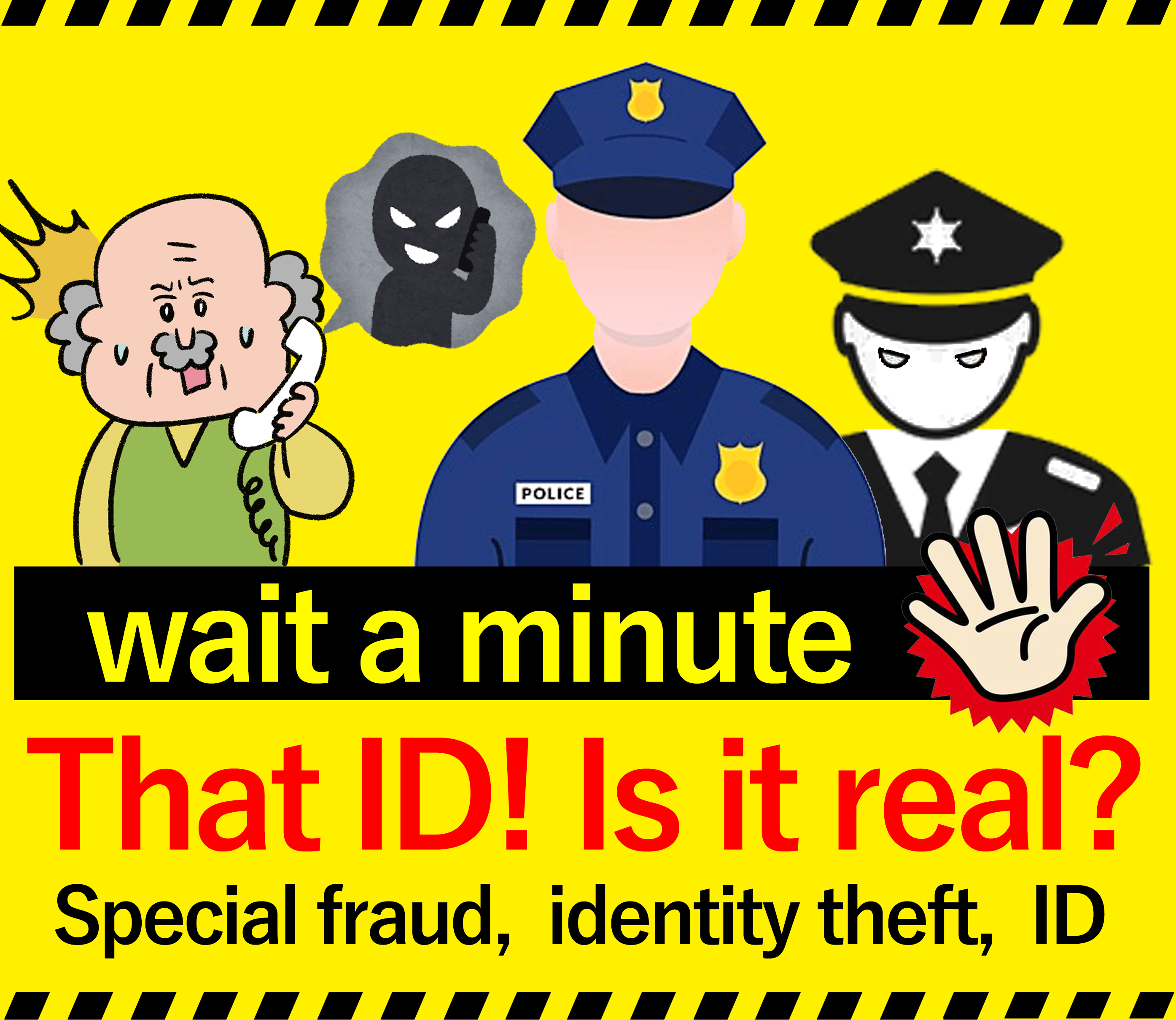
Wait a second ? is that police officer real?
They call home landlines or mobile phones, posing as police officers,
"Your bank account has been used for criminal activity."
"Your mobile phone has been fraudulently contracted."
There has been an increase in fraudulent methods used to trick victims into handing over cash or making them transfer funds, using various excuses such as "protecting your assets" or "investigating your account."
In some cases, criminals posing as police officers will incite fear by saying things like "You're going to be arrested," or show fake police IDs or arrest warrants.
Caution is advised, as there are also cases where criminals claim to be from telephone companies or the Ministry of Internal Affairs and Communications, and tell victims that they have unpaid mobile phone bills, and then switch to playing police officers, or switch to contacting victims via social media or video calls.
The actual damage in numbers
Damage amount is on the rise
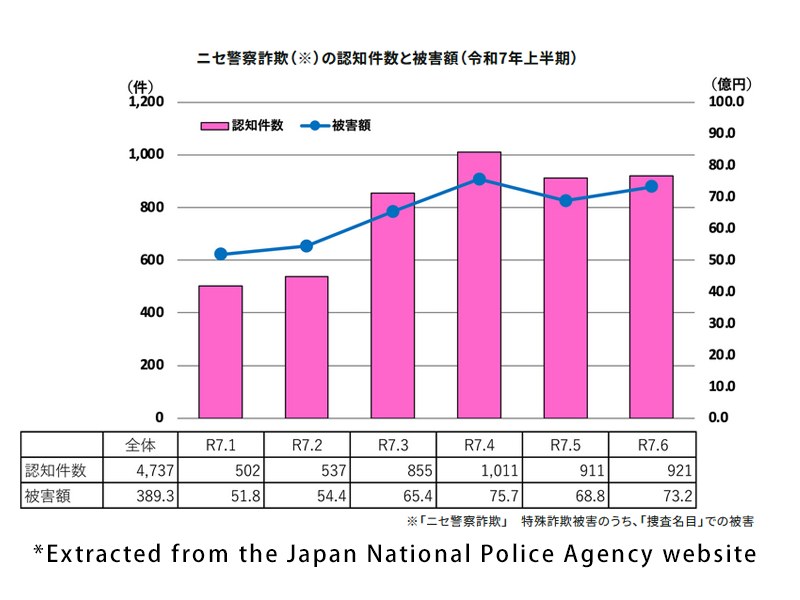
The method used is for perpetrators to pretend to be police officers and defraud people of cash and other items under the pretext of an investigation. In the first half of 2025, there were 4,737 reported cases of fake police scams, with losses totaling 38.93 billion yen, accounting for 35.9% of the total reported cases. |
 |

What is smartNAME?
Ownership management information registered with NFT
Next-generation security with digital business cards based on smartTERAS
Converting digital data into NFT (proof of ownership of digital data)
What are NFT?
It's like a digital certificate that gives digital data unique, unrealized asset value. *Examples of digital assets (music, videos, etc.)
All digital information registered with smartNAME becomes unique data. *Examples: personal information, photos, etc.
Recorded on the blockchain (distributed and managed across thousands of "blocks")
What is blockchain?
The uniquely verified information in NFTs is stored in units called blocks, which are linked together like a chain and distributed encrypted for proper recording.
Once recorded, the information is virtually impossible to tamper with.

Manage with Cloud
smartNAME is a cloud service using Web 3.0. |

Protection against tampering and copying
NFT + private blockchain protects information registered in smartNAME.
For example
Work attendance records
Personal information + additional information
Qualification verification (various licenses) |

Contributing to the environment
Contributing to SDGs 0 by switching from paper to recycled, plant-based plastic cards |

As a key with ID
This system integrates IDs such as employee ID, membership ID, and student ID with building access keys. Entry and exit history can also be managed.
*Optional chiropractic authentication is also available. |
ID card with personal information function
As an employee ID card
As a membership card
As a student ID card
ID cards carry a variety of information:
Attendance and entry/exit management
Payment at employee and student cafeterias
Identification card, digital business card
Facility usage and rental history management
Qualification management
No personal information needs to be printed on the card surface
The issuing company or school securely manages basic personal information. Impersonation is not tolerated. |
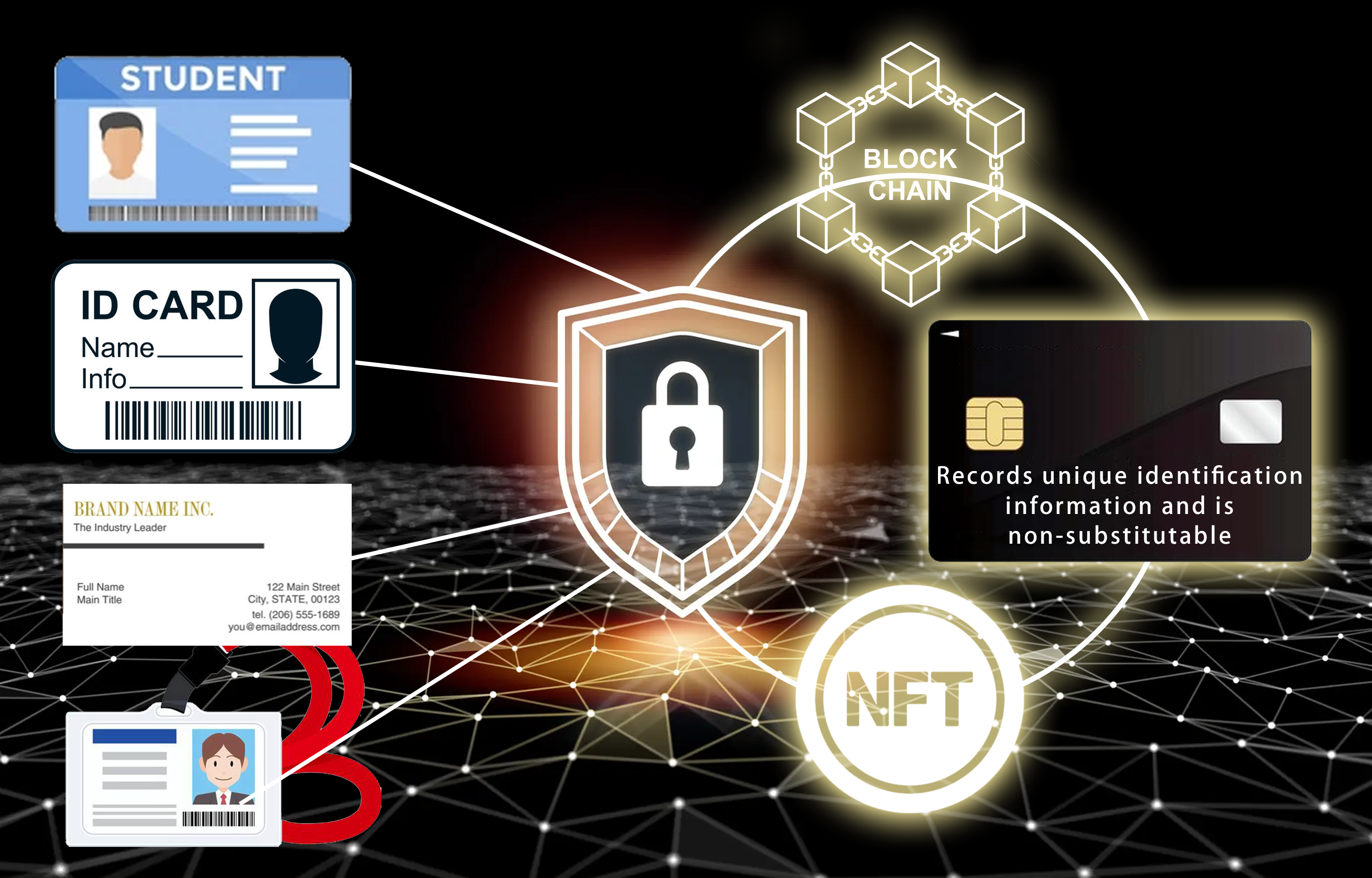
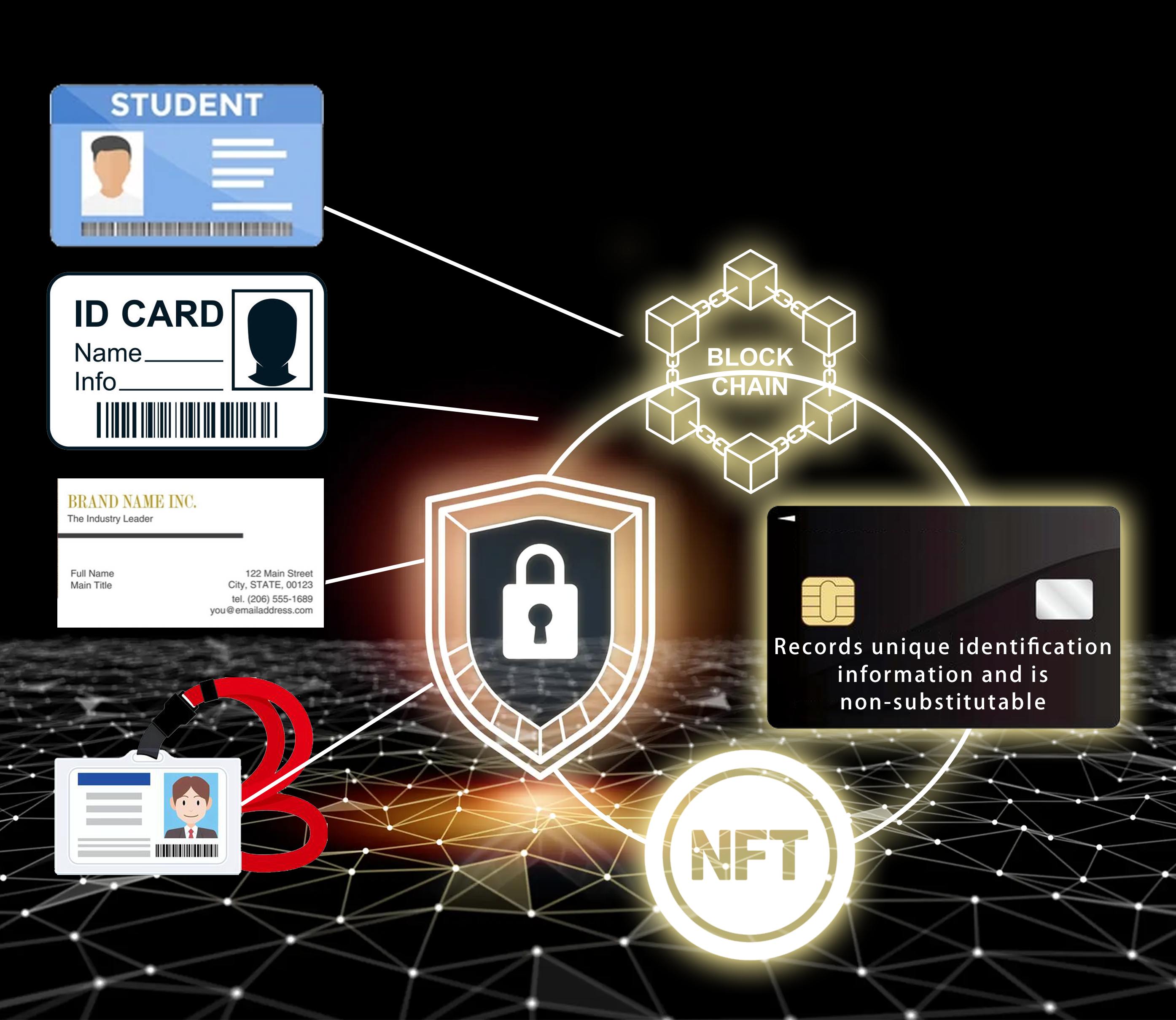
Personal information administrators (companies/schools, etc.) can manage and track personal information change history.
1: Even administrators cannot erase or improve the recorded personal information.
2: It is impossible to erase one's own personal information history.
3: Since all network participants manage the network, it is impossible to improve personal information.
Web 3.0 is the latest, so Web 2.0 is the mainstream now.
Companies are rushing to implement various security measures, but hackers have already researched ways to break what's already out there. The latest Web 2.0 technology is no longer the latest.
As a result, data leaks are occurring at a variety of companies, both large and small.
We recommend implementing the highest level of security in blockchain
Future developments
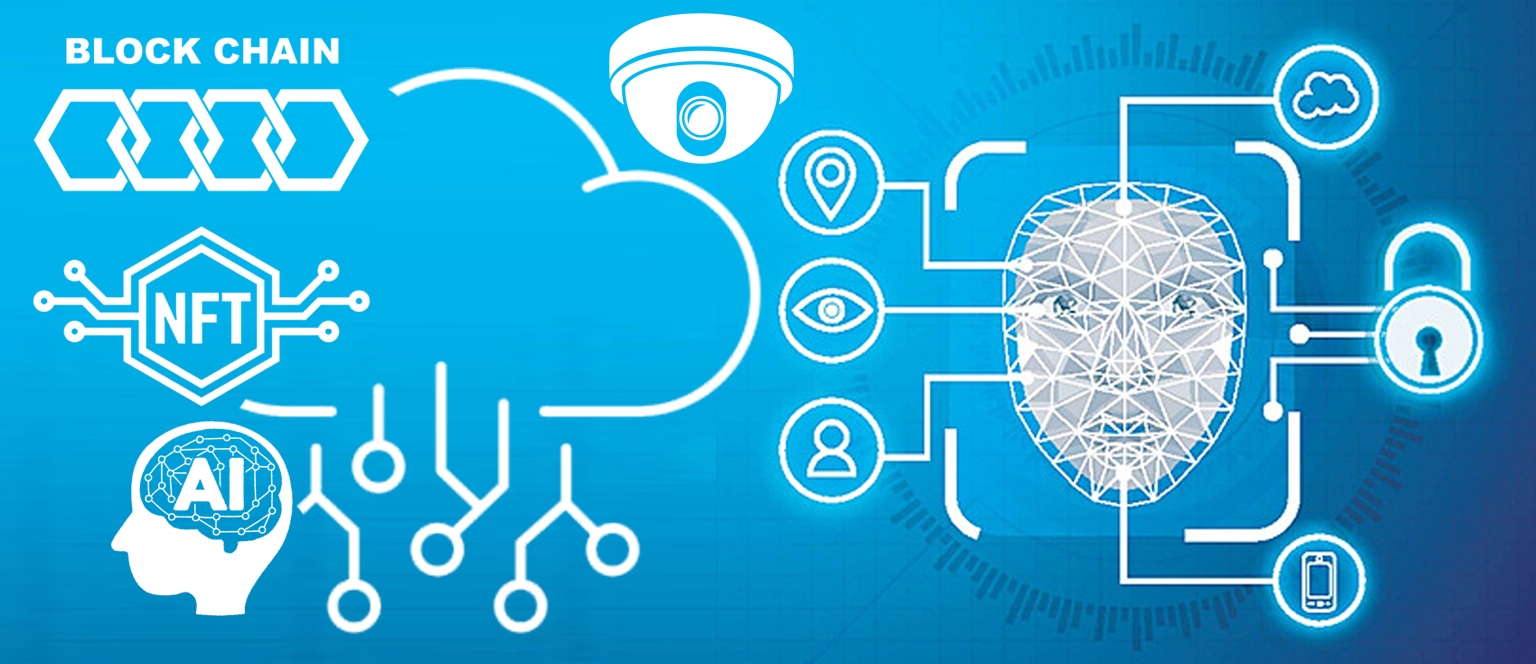
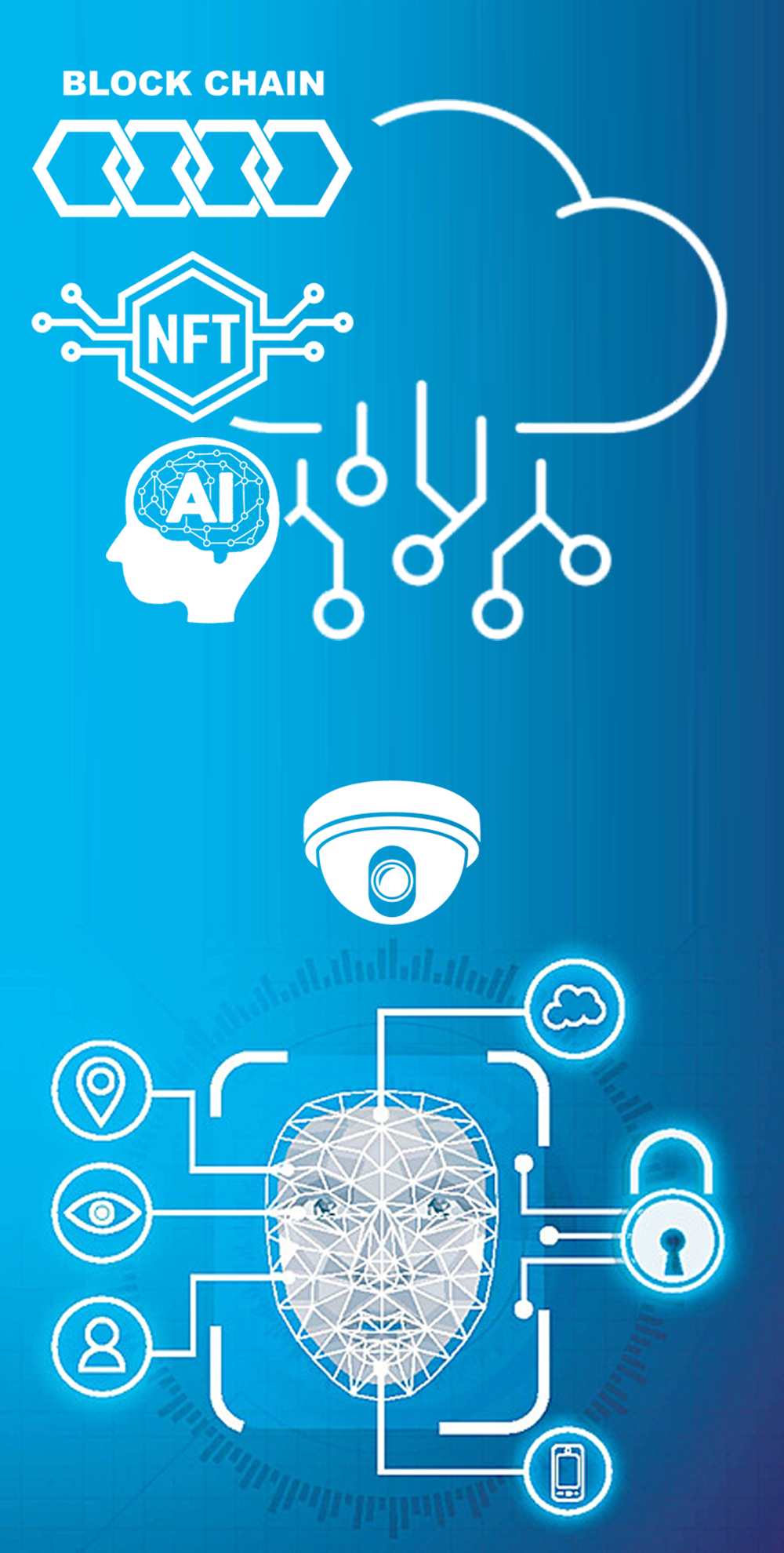
No need to carry anything! Secure and reliable cloud security with AI-based instant facial recognition via camera.
AI quickly and accurately assesses facial recognition data in the cloud, and records the results on the blockchain. This immutable distributed ledger ensures the reliability and transparency of authentication history.
Furthermore, an NFT (non-fungible token) is issued for each authentication, functioning as an individual's digital ID and preventing third parties from impersonating or misusing data.
By utilizing a cloud environment, secure access is possible regardless of location or device, simultaneously reducing management costs and improving system scalability. It can also flexibly accommodate fields requiring advanced security, such as finance, healthcare, education, and government.
High-precision judgment using AI, personal identification using NFT, and data protection using blockchain. These three technologies work together to deliver unprecedented levels of security and reliability in cloud security.